WETSTOCK BASICS
Wetstock Management: What It Is and Why It Matters
The short answer: wetstock management proves the fuel in your tanks matches your books, every day and at every site.
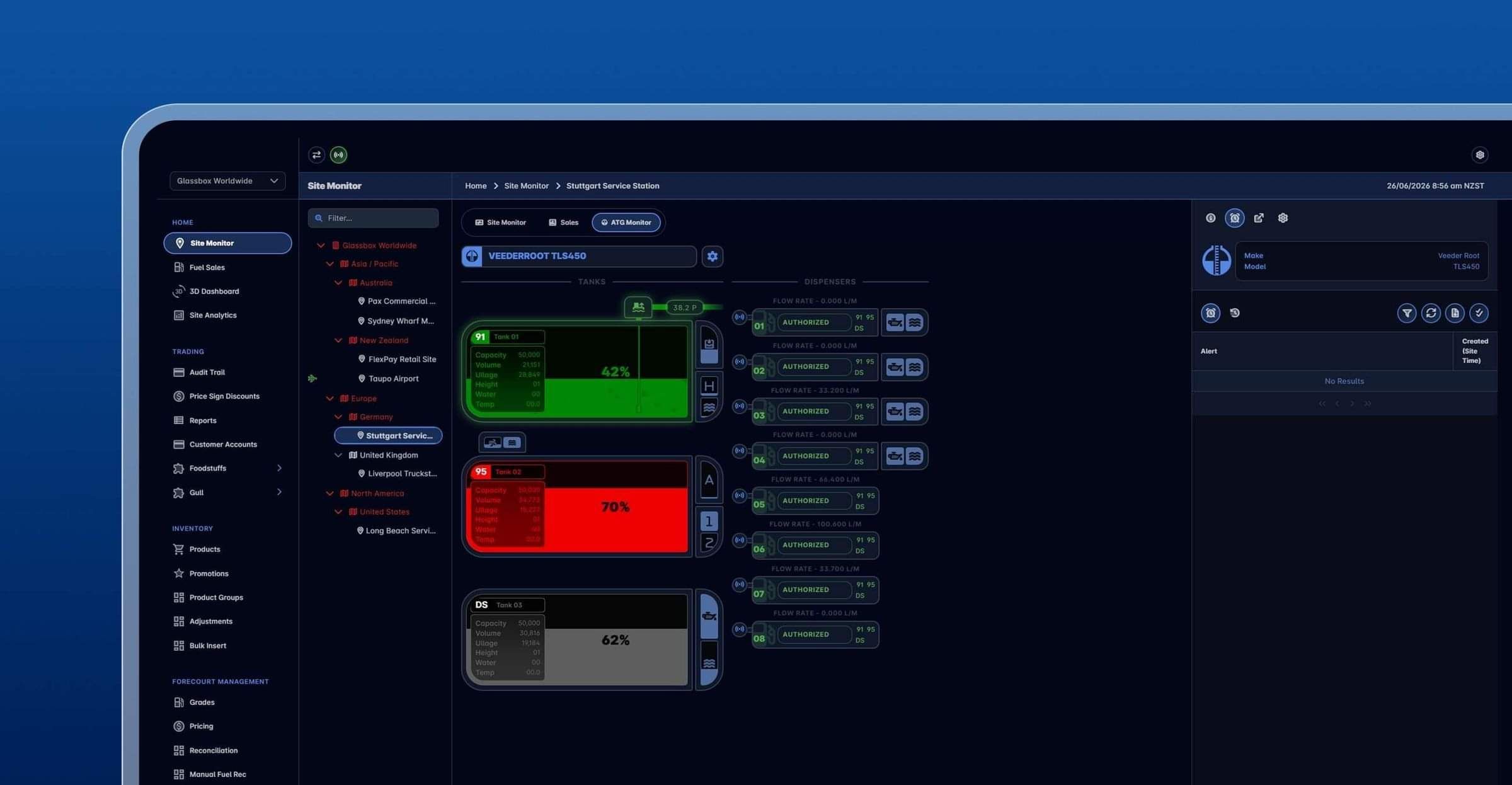
Wetstock management is the process of tracking, measuring and reconciling every litre of fuel that moves through a forecourt, from the moment it lands in the tank to the moment it leaves the pump. It pulls together tank dips, deliveries, pump sales and price changes so a network's book stock matches what's actually sitting in the ground. Done properly, it catches leaks, theft, metering drift and simple admin errors before they turn into real losses. Done manually, it's spreadsheets, torch-lit dips and a finance team hoping the numbers land close enough.
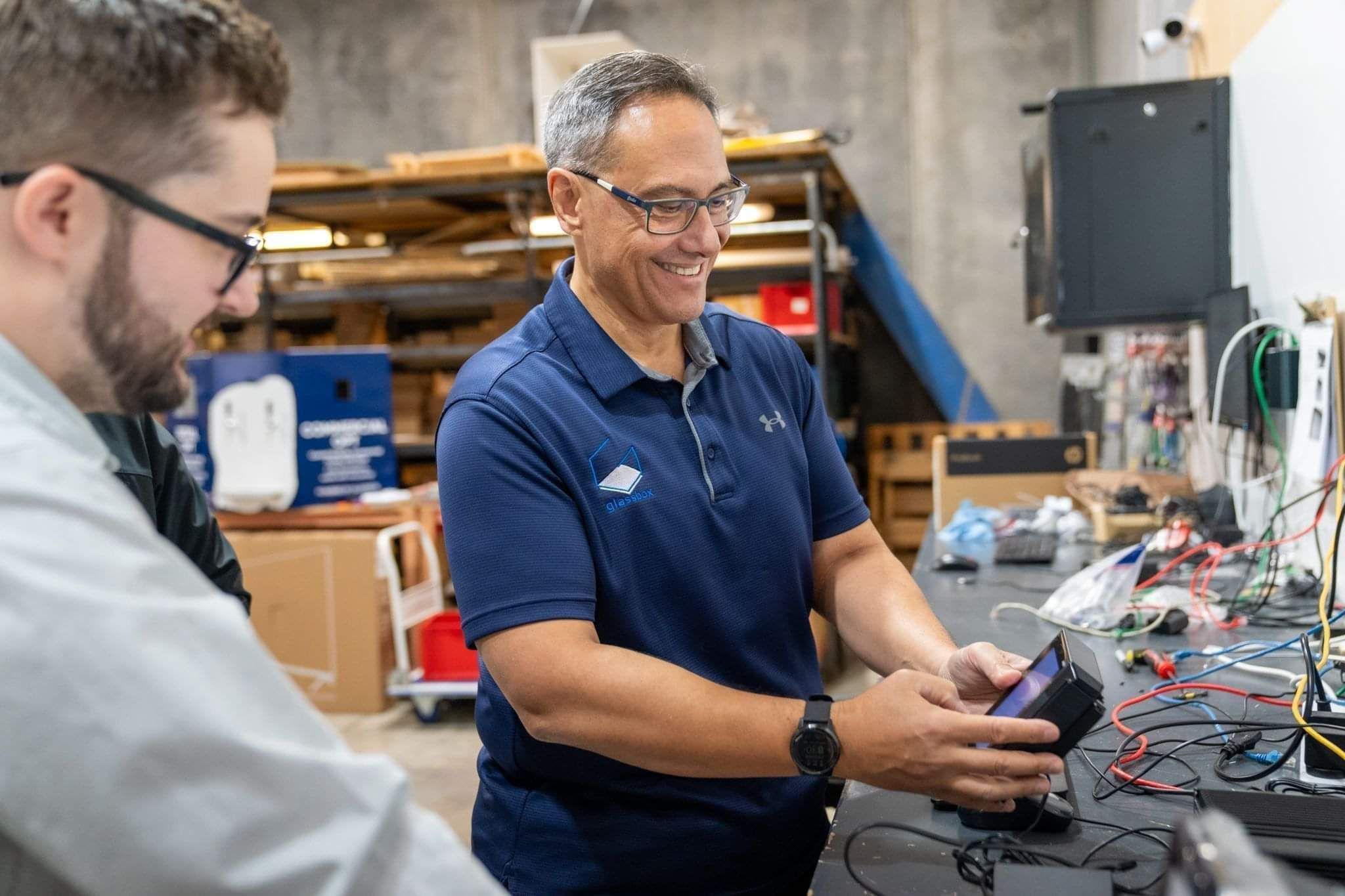
How It Actually Works
At its simplest, the process compares two numbers for every tank: what the books say should be there, and what's physically there. Book stock comes from deliveries in, sales out and any transfers between tanks. Physical stock comes from a dip - either a manual stick dip or a live reading from an automatic tank gauge. Wetstock monitoring software takes both sides and does the comparison automatically, tank by tank, site by site, instead of someone doing it in a spreadsheet at month end. Deliveries get logged against supplier dockets, sales get pulled straight from the pump and POS transactions, and the two are reconciled continuously rather than once a month. Where the numbers agree within a sensible tolerance, nothing needs to happen. Where they don't, that's a variance worth investigating - a leak, a metering fault, a delivery discrepancy, or simply a data entry error. The value isn't the maths itself, which is simple. It's doing that maths for every tank, every site, every day, without anyone touching a calculator.
Which tank gauges does wetstock monitoring work with?
Wetstock monitoring works with the automatic tank gauges already in your tanks, and Glassbox reads the major brands, including Veeder-Root and Franklin Fueling. The gauge supplies the physical side of the sum, with live fuel height, volume, water and temperature for every tank, so reconciliation no longer waits for someone to walk the site with a dip stick. Because Glassbox is hardware agnostic, a network that has grown through acquisition, with Veeder-Root probes at some sites and Franklin Fueling at others, still ends up with one wetstock view, and changing gauge vendors later doesn't break it. Our Veeder-Root and Franklin Fueling pages go into the detail, and the tank gauge page covers alarms and thresholds.
Why It Eats a Finance Team's Week
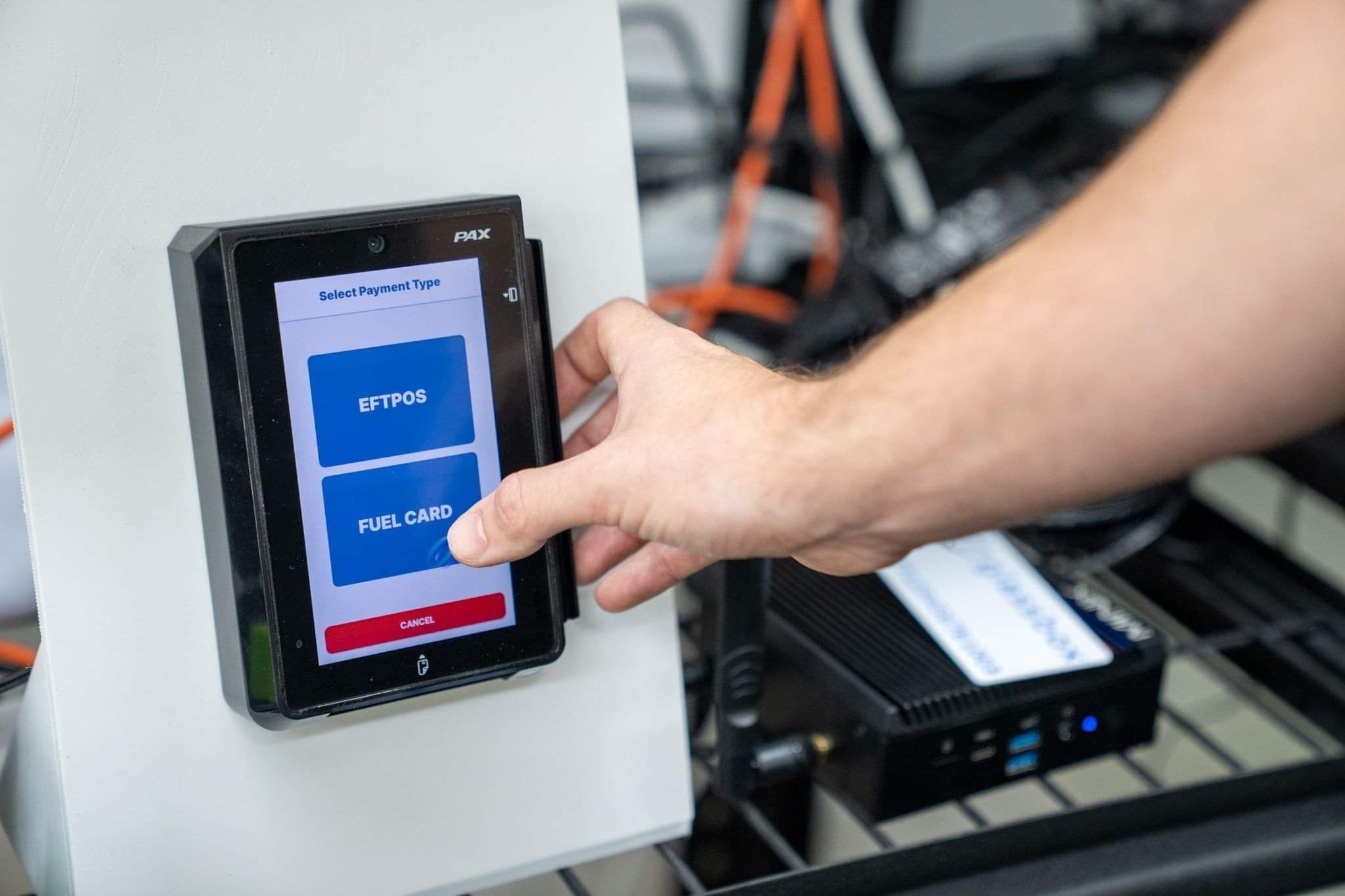
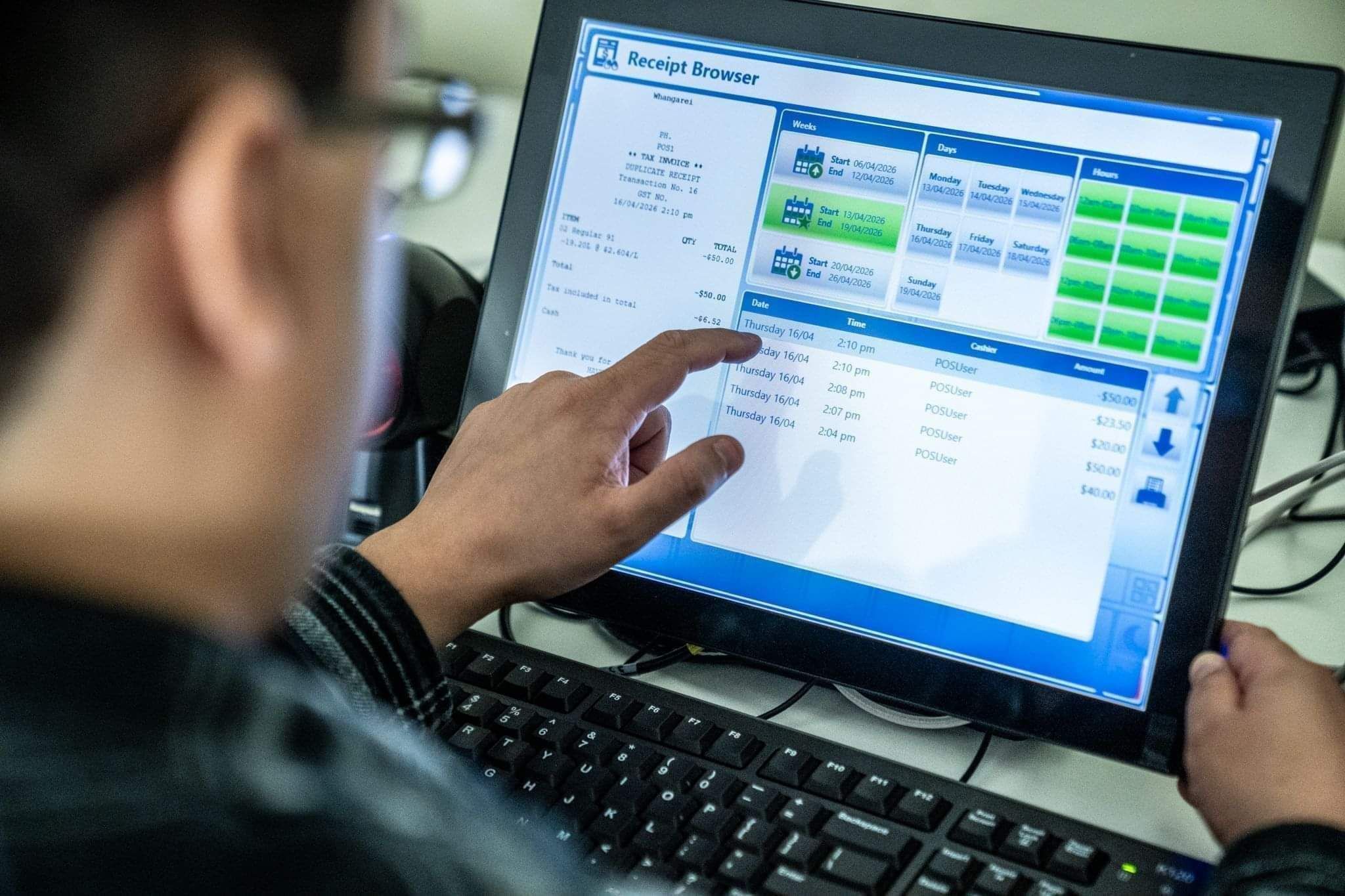
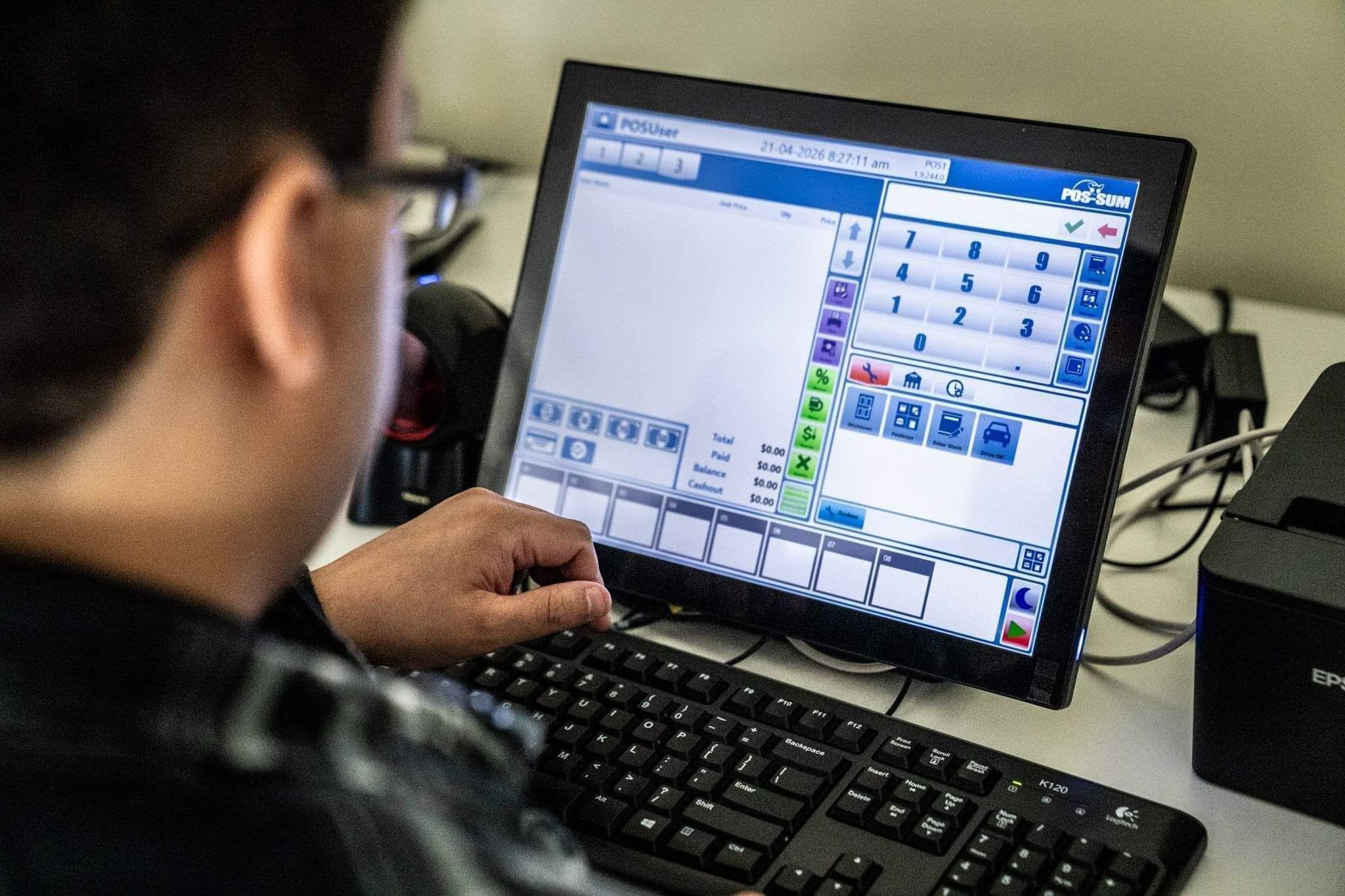
Ask a finance team running a multi-site network what this actually feels like and the answer is rarely flattering. It's deliveries, dips, sales and account pricing across dozens of sites that never quite line up in a spreadsheet, and a month-end that stretches into days rather than hours because every mismatch has to be chased by hand. Account pricing makes it worse - commercial customers rarely pay pump price, so if that pricing isn't applying automatically at the point of sale, someone is correcting it after the fact, site by site. This is exactly the gap Glassbox was built to close. Head Office pulls deliveries, dips, sales and account pricing into one reconciliation, with a clean audit trail attached to every transaction, so compliance stops eating the week and month-end adds up the first time instead of the fifth.
Where It Goes Wrong
The pains are consistent across almost every fuel network Glassbox talks to: reconciliation that takes real admin time each week, transaction auditing that's harder than it should be, price changes that have to be rolled out site by site instead of network-wide, faults on unmanned sites that nobody hears about until a customer does, and month-end corrections on account pricing that shouldn't be needed at all. Most of this comes down to one root cause - dips, deliveries, sales and pricing living in separate systems that don't talk to each other. A tank gauge reports to one place, the POS reports to another, and pricing sits in a third. Someone has to be the glue, manually, every single month.

What does wetstock management software do?
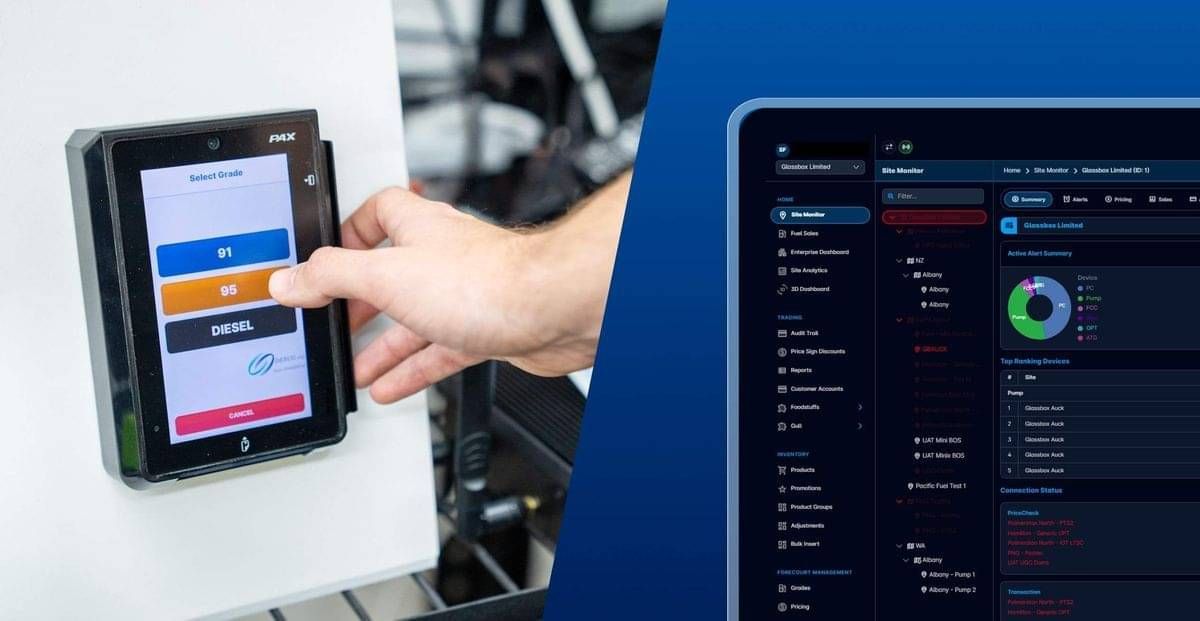
It pulls tank readings, deliveries and pump sales into one place, reconciles them every day and flags any variance outside your tolerance. In Glassbox that happens in Head Office: every pump sale arrives as it happens, by grade and by site, deliveries are recorded against each tank, and the gauges show what actually moved. Most of the time the reconciliation runs on its own, and when you need to, you can enter a delivery by hand or run a manual reconciliation for one tank or one period. Every sale, delivery and tank movement keeps its audit trail, which is exactly what a finance team reconciling dozens of sites in spreadsheets has been missing. If you're comparing systems, our fuel reconciliation software page shows how it runs day to day.
What Good Wetstock Management Looks Like
Glassbox has rolled its platform out nationwide for a New Zealand fuel company, week after week of completed sites brought onto one view rather than one big-bang cutover. Each site comes online with its tanks, pumps and pricing already reconciling against Head Office from day one - no separate spreadsheet running in parallel while the "real" system catches up. That's what good fuel stock management looks like in practice: not a cleaner spreadsheet, but no spreadsheet at all. Dips, deliveries, sales and account pricing sit in one place, reconciled automatically, with variances flagged the day they appear rather than discovered a month later.
What to Check Before You Choose Software
Does it reconcile automatically across every site, or does someone still need to pull numbers together at month end?
Does it work with the tank gauges already on your forecourts, or does it force a hardware change?
Does it flag variances the day they happen, or only when someone runs a report?
Is there a clean audit trail for every transaction, in case of a compliance review?
Does account and customer-specific pricing apply automatically, network-wide, without manual correction?
If your reconciliation still lives in a spreadsheet, Glassbox's fuel reconciliation tools bring dips, deliveries, sales and pricing into Head Office automatically. Plug in the box, see your site on the dashboard in minutes, and try it for 30 days with no obligation.
FAQs
Is wetstock management the same as fuel reconciliation?
They're closely related. Wetstock management is the broader discipline - tracking and controlling the physical fuel in a network's tanks. Fuel reconciliation is the specific process inside it: matching book stock against physical stock to confirm the numbers agree. In practice, most people use the terms interchangeably, and Glassbox's platform treats them as one connected process rather than two separate jobs, because a variance in one always shows up in the other.
What actually causes wetstock variance?
Variance usually comes from one of a handful of places: temperature-related expansion and contraction of fuel in the tank, small metering drift on pumps or gauges over time, delivery discrepancies against the supplier docket, evaporation, or genuine loss through a leak or theft. Occasionally it's simpler than that - a dip taken incorrectly, or a delivery logged against the wrong tank. The point of ongoing monitoring isn't to eliminate variance to zero, which isn't realistic, but to catch anything outside a sensible tolerance quickly, before it compounds.
How often should tanks be reconciled?
As often as the data allows - ideally continuously rather than monthly. The finance teams Glassbox works with were often reconciling once a month by spreadsheet, chasing deliveries, dips, sales and account pricing that never quite lined up, with the whole process taking days. Moving that reconciliation to a daily, automatic process means variances get caught within a day of appearing instead of buried in a month's worth of transactions, and month-end becomes a review rather than a rebuild.
Can this be done without an automatic tank gauge?
Yes, with manual stick dips, though it's slower and more error-prone. An automatic tank gauge feeds live level readings straight into reconciliation, so the physical side of the equation updates itself instead of relying on someone walking the site with a dip stick. Glassbox works with automatic tank gauges already on site rather than requiring new hardware, so the switch from manual to automatic dipping doesn't mean ripping anything out.
Does this matter more for unmanned or remote sites?
It matters more there than almost anywhere else. On an unmanned site nobody's walking past the tanks each day, so a slow leak or a metering fault can run for weeks before anyone notices - usually when a customer complains or fuel runs out unexpectedly. Automated wetstock monitoring flags that variance the day it appears, whether there's a person on site or not.
Didn't find your answer?
Ask us directly. We're happy to talk through anything specific to your network, or just book a demo and see it for yourself.

CONTACT US


