TANK GAUGE BASICS
What Is an Automatic Tank Gauge (ATG)?
A tank gauge can measure what's in the ground on its own. But a reading nobody sees isn't much use, so Head Office puts it in front of you, live.
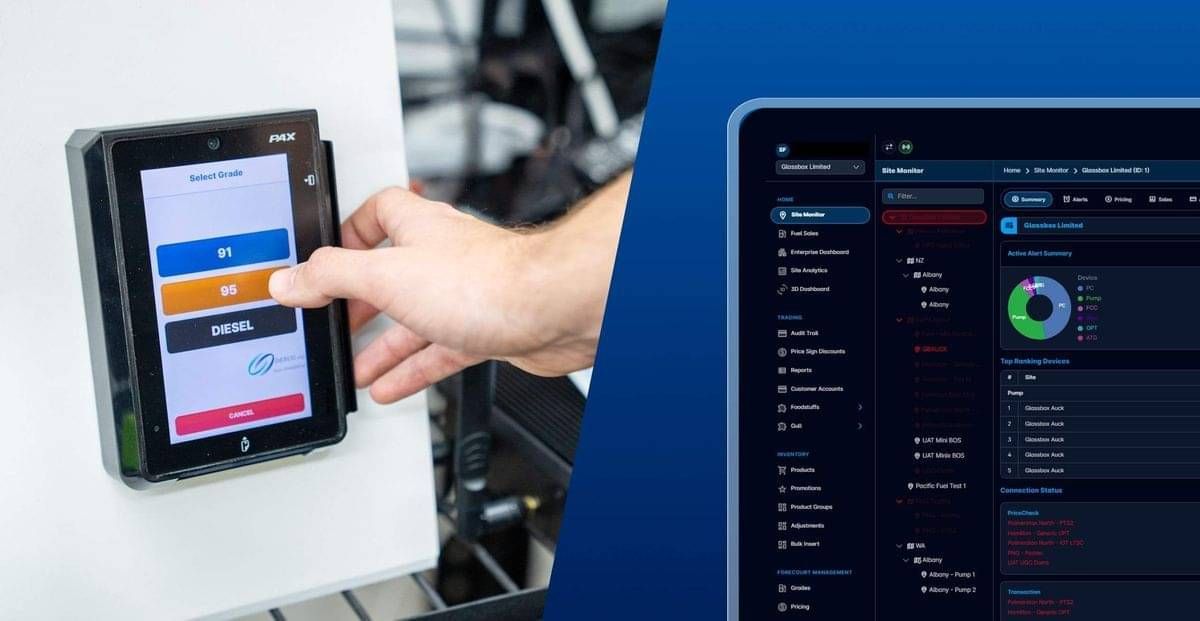
An automatic tank gauge is a probe fitted inside a fuel storage tank that measures fuel level, temperature and water contamination continuously, then sends those readings to software so someone can see tank status without climbing up and dipping it by hand. On a forecourt, an ATG is the thing that turns "how much fuel is actually in the ground" from a manual job into a live number. Pair it with the right software and that same reading feeds deliveries, reconciliation and site alerts automatically.
How an Automatic Tank Gauge Works
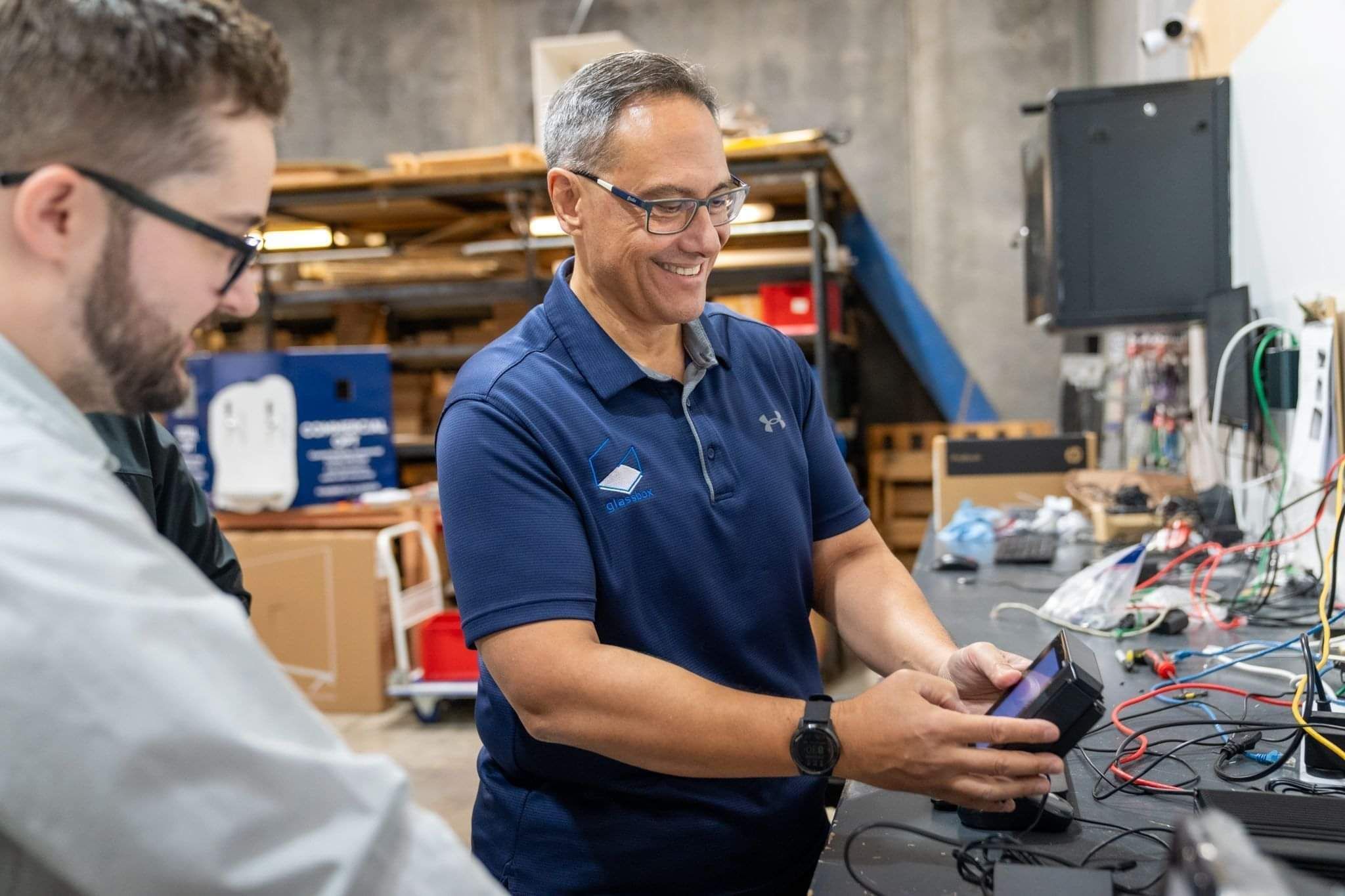
The probe sits in the tank and reports level, temperature and water readings on a set interval, or continuously if the site needs it. On its own, an ATG is just a sensor with a local display in the office. The value comes from connecting it to software that can pull that reading off-site, compare it against sales and deliveries, and flag anything that doesn't add up. That's the difference between "we have a gauge" and tank gauge remote monitoring you can actually act on from anywhere.
Why ATG Monitoring Matters on Unmanned Sites
An operations manager running unmanned sites can't see a fault until a customer calls or someone drives out to check. A tank running low, a probe throwing a water alarm, a delivery that didn't land the volume it should have - none of that is visible until it's already a problem. ATG monitoring closes that gap. Glassbox pulls tank readings into Head Office alongside every other piece of site equipment, so an alert reaches the operator before a customer notices anything, and remote restart of terminals and pumps means a fault doesn't automatically mean sending a truck.
Where Automatic Tank Gauge Monitoring Goes Wrong
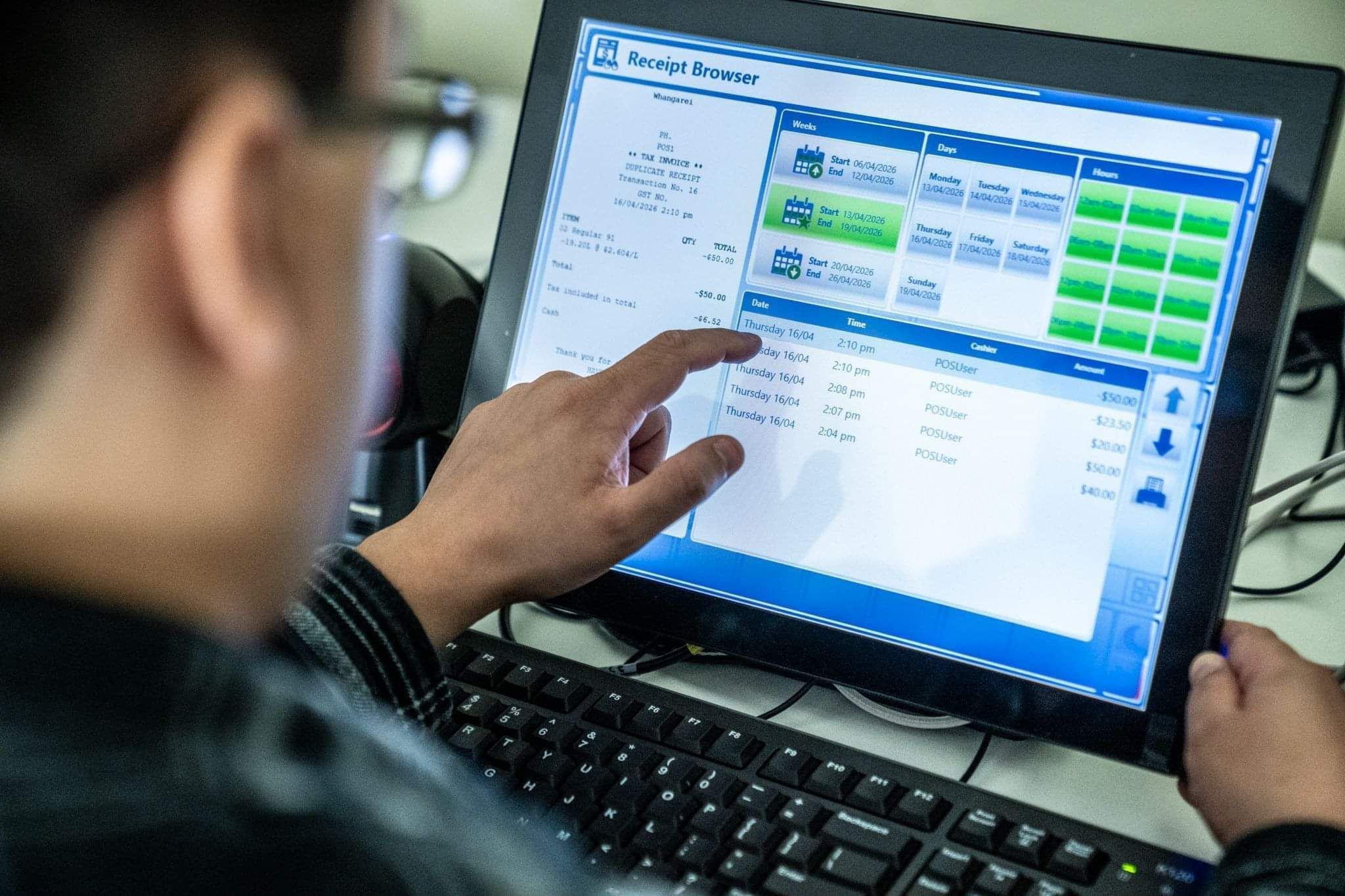
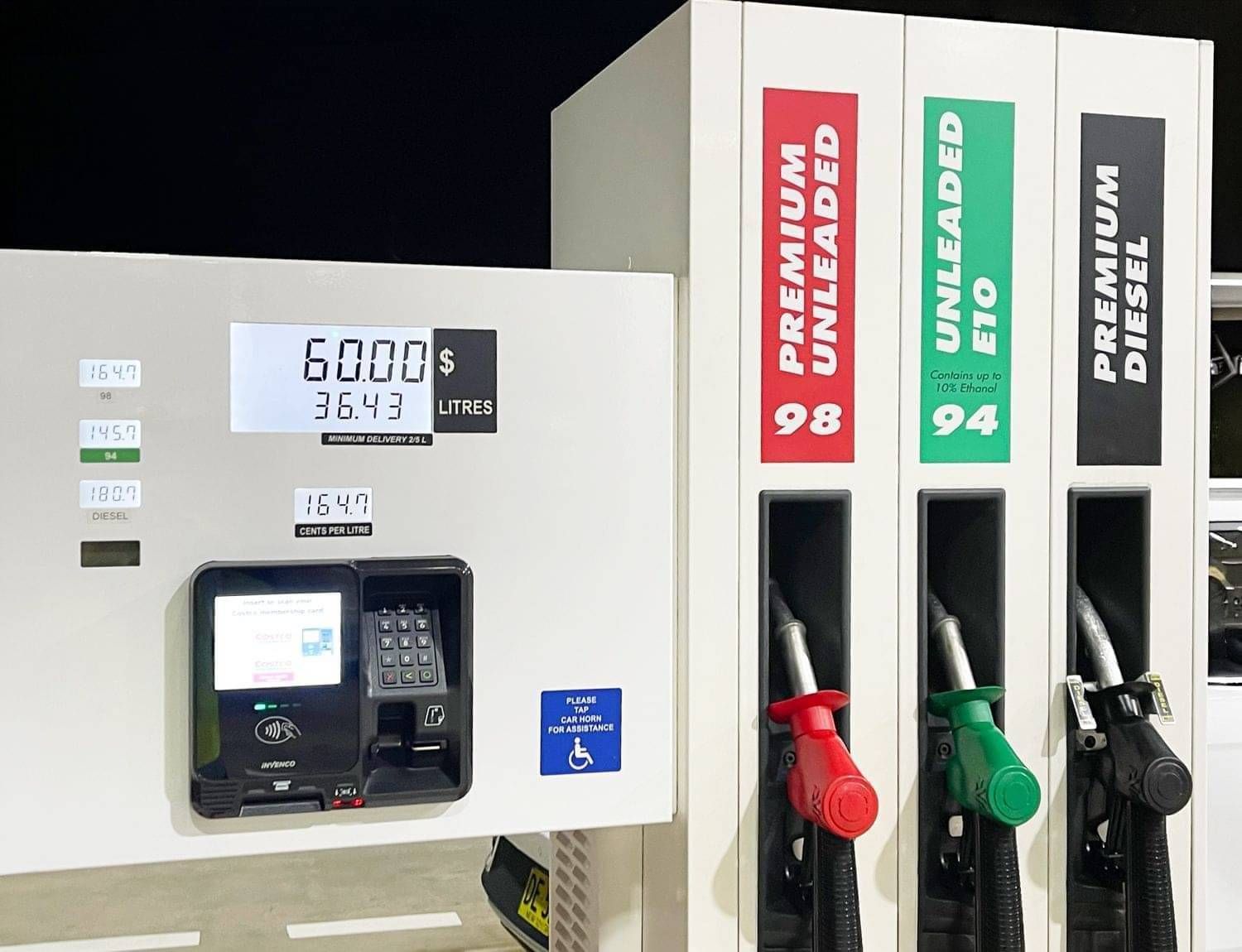
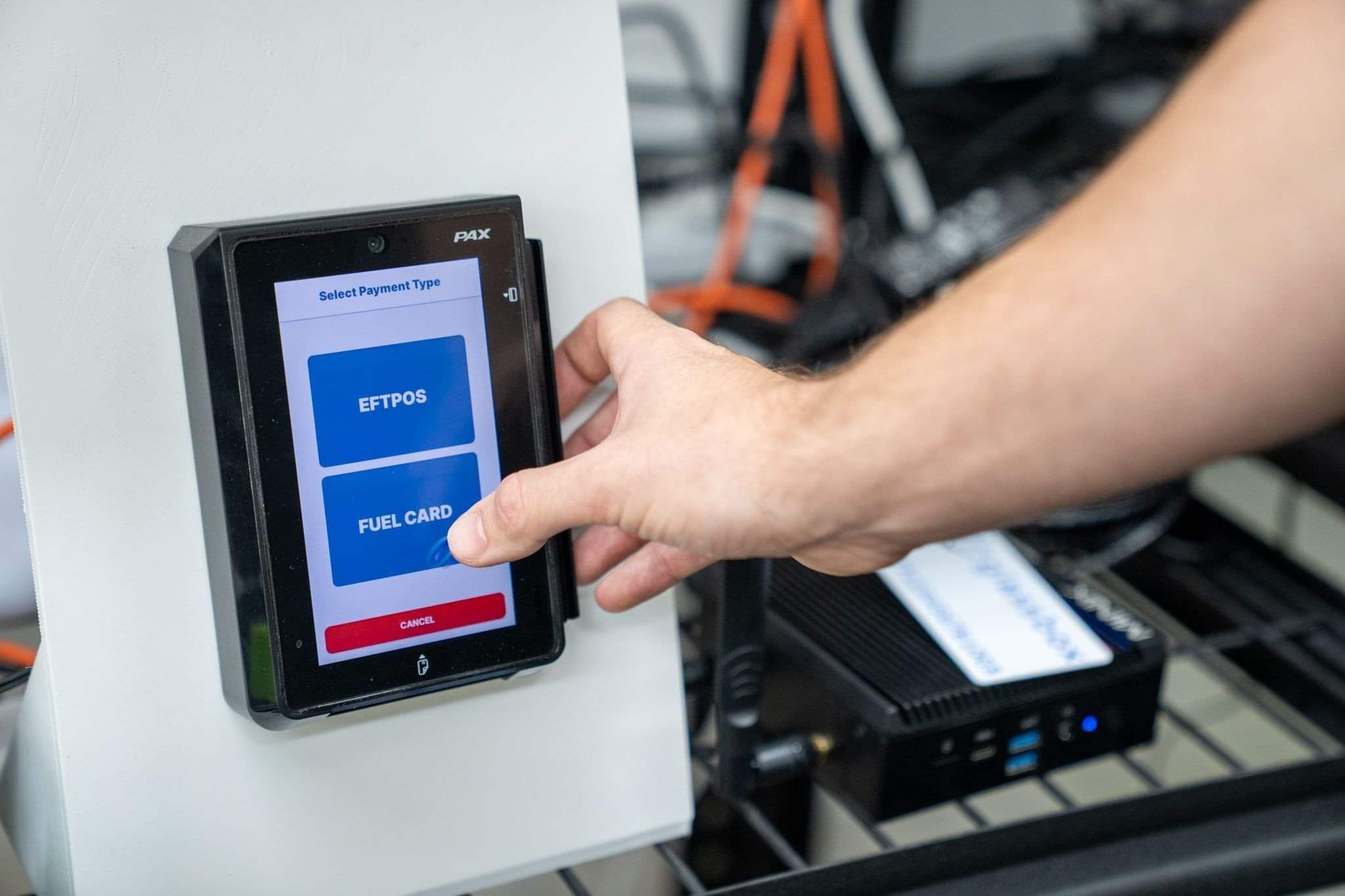
The most common failure isn't the gauge, it's the gap around it. Sites end up with the ATG reporting to one system, the point of sale to another, and payment terminals to a third, none of them talking to each other. Reconciliation then means someone manually pulling numbers from three places and hoping they line up. Glassbox integrates directly with the tank gauges, pump controllers, payment terminals and price boards already on site - Gilbarco, Invenco, Veeder-Root, Franklin Fueling, PAX, POSTEC and more - so the tank reading, the sale and the delivery sit in one system instead of three.
Questions to Ask Before You Choose ATG Monitoring Software
Does it work with the tank gauge brand already in the ground, or does it force a hardware swap?
Does the tank reading connect to reconciliation automatically, or is someone still exporting numbers by hand?
How fast does an alert reach someone when a probe flags an issue, and can they act on it remotely?
What happens at month end - does the tank data already match sales and deliveries, or is that still manual work?
Is setup a VPN and an IT project, or something that can go live in days?

What Good ATG Monitoring Looks Like
Good ATG monitoring means the tank reading, the sales data and the delivery record reconcile themselves, and any discrepancy - a leak, a delivery short, a metering fault - surfaces as an alert instead of a month-end mystery. NPD put it plainly after running theirs through Head Office:
"The Glassbox Fuel HOS system is an invaluable tool providing live access to NPD unmanned fuel sites. By providing comprehensive site reports, the HOS system has simplified transaction auditing and price change processes, significantly reducing administration time. The instant notification of system errors allows immediate response to faults on site, reducing site down time and making for happy customers. The administration support received from Glassbox is outstanding." - NPD
Turning Tank Data Into a Working System
An automatic tank gauge only earns its keep once it's connected to something that does more with the reading than display it. Glassbox's tank gauge monitoring sits inside Head Office alongside pumps, payment terminals and price signs, so tank data feeds straight into reconciliation and site alerts instead of sitting in its own silo. Try it on your own network first: Glassbox ships a small pre-configured box, you plug it in, and the site appears on the dashboard within minutes - no VPN, no IT project, 30 days to test it properly before you commit.
FAQs
Does an automatic tank gauge replace manual dipping completely?
For day-to-day monitoring, yes - that's the point. An ATG gives a continuous or interval-based reading instead of someone climbing the tank with a dip stick once a shift. Most operators keep manual dipping as a periodic calibration check rather than the main method, since it's slow and only tells you the level at one moment. Once tank gauge remote monitoring is running properly, dipping becomes the backup, not the primary process.
Can automatic tank gauge monitoring detect a leak?
It can flag the kind of unexplained variance a leak would cause - fuel level dropping faster than sales and deliveries account for - which is exactly the discrepancy reconciliation software is built to surface. It's not a leak detection certification in itself, but combined with reconciliation it's usually the first thing that catches a problem, well before it becomes visible above ground.
Does this work if my sites already have Veeder-Root or another gauge brand fitted?
Yes. Glassbox integrates directly with the tank gauges already on site rather than requiring a specific brand, which matters for networks like unmanned sites where a hardware swap isn't practical. If a site later changes gauge brand, monitoring keeps running without a software rebuild.
How is tank gauge data different from fuel reconciliation?
The tank gauge gives you the level. Reconciliation is what happens next - comparing that level against sales, deliveries and dips to confirm the numbers add up. An automatic tank gauge is one input into reconciliation, not a replacement for it; the two need to be connected to be genuinely useful.
Is automatic tank gauge monitoring only worth it for larger networks?
No - it matters most on unmanned or lightly staffed sites regardless of network size, since that's where a fault can sit unnoticed the longest. A single unmanned site benefits from the same live visibility as a fifty-site network; the difference is just how many dashboards you're watching.
Didn't find your answer?
Ask us directly. We're happy to talk through anything specific to your network, or just book a demo and see it for yourself.

CONTACT US


